
Blog

  • How do tutors help students

    How do tutors help students

    Every student learns differently. While traditional classrooms provide valuable structure, not every learner thrives in that environment. Some students need extra attention, customised teaching methods, or simply a boost in confidence to reach their full potential. This is where tutors play a crucial role. Tutors provide focused, and flexible support that helps students overcome academic challenges, build confidence, and develop strong study habits that last a lifetime.

    1. Personalised Learning and One-on-One Attention

    In a typical classroom, teachers must divide their time among many students, making it difficult to address everyone’s individual needs. Tutors, however, work one-on-one, tailoring each session to the student’s learning pace and style.

    A tutor identifies specific strengths and weaknesses, adjusts lessons accordingly, and ensures that the student truly understands each concept before moving on. This personalised approach helps close learning gaps and improves overall comprehension.

    2. Building Confidence and Motivation

    Many students struggle with self-doubt or anxiety about certain subjects especially math, science, or languages. Tutors create a supportive learning environment where mistakes are part of the process, not something to fear.

    Through encouragement and consistent progress, tutors help students regain confidence in their abilities. As students see improvement, they become more motivated and enthusiastic about learning. This boost in self-esteem often translates into better classroom participation and higher grades.

    3. Improving Study Skills and Time Management

    Tutoring is not just about understanding subject material it’s also about teaching how to learn effectively. Tutors help students develop essential academic skills such as:

    • Organizing notes and assignments
    • Managing time and balancing workloads
    • Setting realistic academic goals
    • Preparing for tests efficiently
    • Using critical thinking to solve problems

    These skills go beyond school and prepare students for college, careers, and lifelong learning.

    4. Providing Academic Support in Difficult Subjects

    Some subjects simply need extra attention. Tutors specialize in helping students master difficult topics by breaking them down into manageable lessons.

    For example:

    • A math tutor may simplify complex formulas using real-life examples.
    • An English tutor can improve writing, grammar, and essay structure.
    • A science tutor helps make abstract theories more understandable through experiments and visuals.
    • A language tutor offers pronunciation practice and cultural insights to enhance fluency.

    5. Helping with Exam Preparation

    Whether it’s a school test, a final exam, or standardized tests like the SAT, ACT, GRE, or GMAT, tutors play a vital role in exam readiness.

    They help students:

    • Review key concepts and problem types
    • Practice under timed conditions
    • Develop test-taking strategies
    • Manage exam stress and anxiety

    Tutors often provide past papers, mock tests, and personalized feedback, helping students approach exams with confidence and focus.

    6. Encouraging Independent Learning

    The ultimate goal of tutoring isn’t to make students dependent on extra help it’s to make them independent learners.

    Tutors encourage students to think critically, ask questions, and find answers on their own. Over time, students develop self-discipline, curiosity, and responsibility for their education. This sense of ownership often leads to lasting academic success.

    7. Reducing Stress for Students and Parents

    When students struggle, it can create stress for the entire family. Tutors ease this pressure by offering structured learning support, consistent progress tracking, and open communication with parents.

    Parents gain peace of mind knowing their child is receiving professional guidance, while students benefit from a calm and supportive environment that encourages growth.

    8. Adapting to Online and Modern Learning Methods

    In today’s digital world, tutors also help students navigate online learning tools and adapt to new education methods.

    Online tutors use video calls, virtual whiteboards, and interactive exercises to create engaging lessons that rival in-person teaching. This flexibility allows students to learn anytime, anywhere, making tutoring accessible to more learners than ever before.

    Tutors play an essential role in shaping students’ academic journeys. Tutoring transforms learning into an empowering experience.
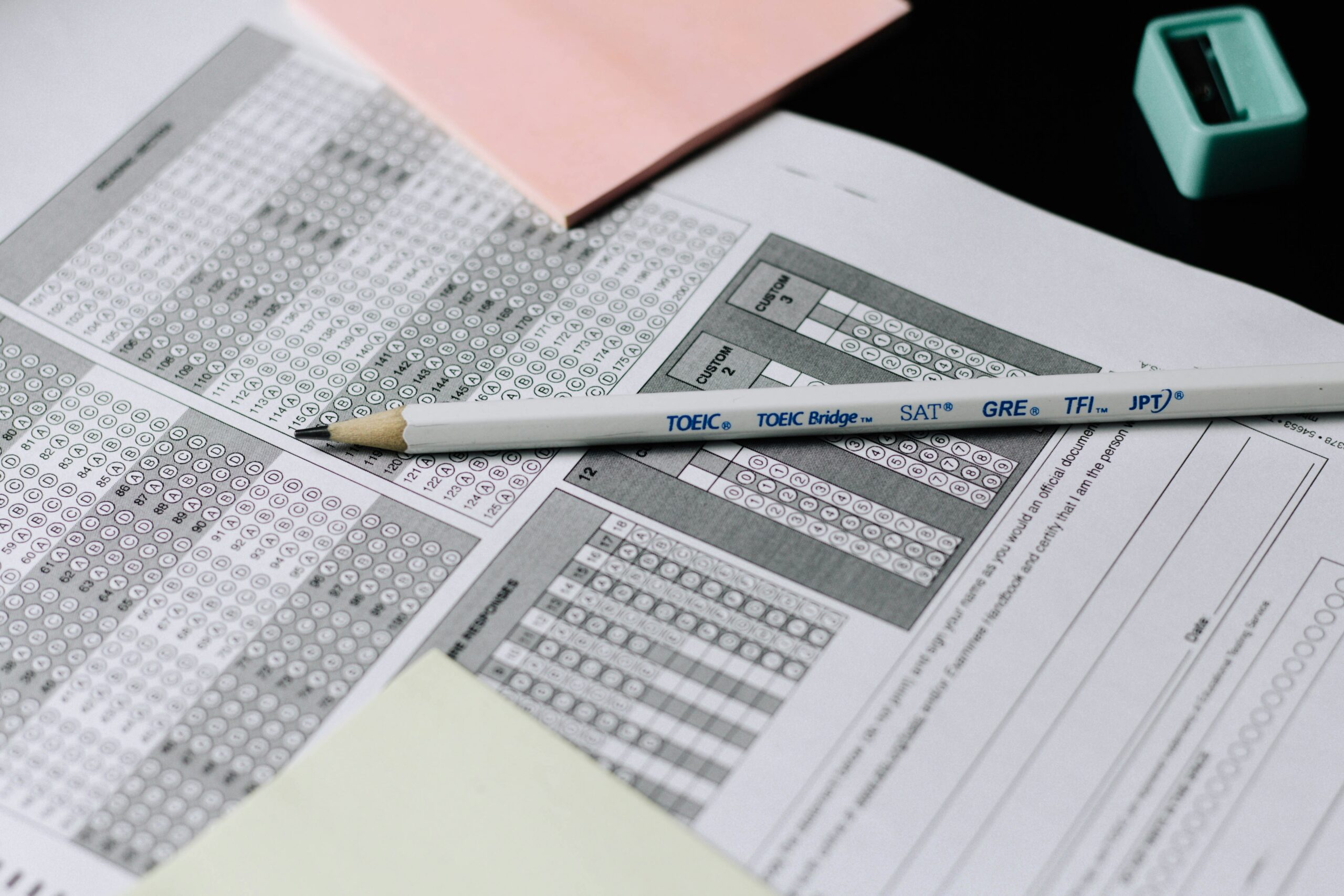

  • High School Tutors: Helping Students Build Confidence and Academic Success

    High School Tutors: Helping Students Build Confidence and Academic Success

    High school can be one of the most challenging stages in a student’s academic journey. Between demanding coursework, extracurricular activities, and preparation for college entrance exams, many students find themselves struggling to keep up. This is where a high school tutor can make a lasting difference.

    What High School Tutors Do

    A high school tutor supports students across a variety of subjects and skills. Unlike classroom teaching, tutoring is individualised, focusing on the student’s specific learning style, pace, and academic goals.

    Here’s what tutors typically help with:

    • Subject Mastery: Explaining complex topics in subjects such as math, science, English, or history.
    • Homework Help: Offering daily or weekly assistance with assignments and projects.
    • Exam Preparation: Preparing for school exams, SAT, ACT, or other standardized tests.
    • Study Skills: Teaching organization, note-taking, and time management techniques.
    • Confidence Building: Encouraging students and helping them overcome academic anxiety.
    • Progress Tracking: Monitoring performance and adjusting teaching methods as needed.

    A great tutor acts as a mentor, helping students discover their potential and develop a genuine interest in learning.

    Benefits of Having a High School Tutor

    Hiring a tutor provides advantages that go far beyond grades. Some of the key benefits include:

    1. Personalised Attention
      In large classrooms, it’s easy for students to fall behind. A tutor offers one-on-one focus to clarify difficult topics and fill learning gaps.
    2. Better Academic Performance
      With consistent support, students can raise their grades, improve comprehension, and retain knowledge more effectively.
    3. Improved Study Habits
      Tutors teach essential study skills that students can apply across all subjects — fostering lifelong learning.
    4. Increased Confidence
      Seeing progress through tutoring builds self-esteem and motivates students to tackle challenges independently.
    5. Preparation for College
      Tutors can help with college entrance exams (SAT, ACT, AP) and even assist with college essays and application strategies.
    6. Reduced Stress
      Academic challenges often cause stress for both students and parents. Tutoring brings structure and calm to the learning process.

    Popular Subjects for High School Tutoring

    High school tutors often specialize in one or more of the following areas:

    SubjectFocus Areas
    MathematicsAlgebra, Geometry, Calculus, Statistics
    SciencePhysics, Chemistry, Biology, Environmental Science
    English & LiteratureReading comprehension, essay writing, grammar
    History & Social StudiesWorld history, geography, economics, political science
    LanguagesFrench, Spanish, Arabic, Mandarin, etc.
    Test PrepSAT, ACT, AP, IB exams, and national assessments

    This wide range of support allows tutors to meet students’ needs at any academic level.

    In-Person vs. Online High School Tutoring

    In-Person TutoringOnline Tutoring
    Face-to-face interactionFlexible and location-independent
    Hands-on help with materialsAccess to global tutors and resources
    More structured and consistentGreat for busy schedules or remote learning
    Builds personal rapportCan include video, chat, and virtual whiteboards

    Many families now combine both using in-person sessions for core subjects and online platforms for areas like test prep or advanced math.

    How to Choose the Right High School Tutor

    Selecting the right tutor requires more than just checking qualifications. Here’s what to consider:

    • Experience: Look for tutors experienced with high school curricula or specific subjects.
    • Teaching Style: Choose someone who adapts to the student’s learning pace.
    • Credentials: Certified teachers or degree holders in the subject are ideal.
    • Reviews and References: Check testimonials or ask for trial sessions.
    • Flexibility: Find a tutor who can work around school and extracurricular schedules.
    • Personality Fit: A good tutor-student relationship is key to long-term success.

    Cost of High School Tutoring

    Rates vary depending on experience, subject, and format:

    • Private independent tutors: $30–$100/hour
    • Tutoring centers (Kumon, Sylvan, Mathnasium, etc.): $40–$120/hour
    • Online tutoring platforms (Wyzant, Varsity Tutors, Preply, etc.): $20–$80/hour

    Many tutors offer packages or discounts for long-term sessions, and some schools provide free or subsidized tutoring options.

    Tips for Getting the Most Out of Tutoring

    1. Set clear goals — Define what success looks like (better grades, improved confidence, test readiness).
    2. Stay consistent — Regular sessions produce better results than occasional help.
    3. Communicate openly — Students should share challenges or confusion honestly.
    4. Track progress — Use progress reports or assessments to see measurable improvement.
    5. Encourage independence — Tutoring should empower students to learn and think on their own.

    High school tutors play a crucial role in helping students achieve academic success and build lifelong learning habits. With the right tutor, every student can unlock their potential and thrive academically.

  • Why Hiring a GRE Tutor Can Transform Your Test Prep Strategy

    Why Hiring a GRE Tutor Can Transform Your Test Prep Strategy

    The GRE (Graduate Record Examination) is one of the most challenging steps on the journey to graduate school. It measures critical thinking, analytical writing, verbal reasoning, and quantitative skills. Your score can significantly affect your admission chances. While online courses and books can help, many test-takers find that working with a GRE tutor provides a structured and efficient way to reach their target score faster.

    What Does a GRE Tutor Do?

    A GRE tutor is a personal coach who tailors your learning to your strengths, weaknesses, and goals. Their main roles include:

    • Diagnostic Assessment: Identifying your current level, weak areas, and test-taking habits.
    • Customized Study Plan: Creating a timeline and study roadmap tailored to your schedule and target score.
    • Concept Mastery: Explaining difficult math, verbal, and analytical writing topics clearly and simply.
    • Strategy Training: Teaching you how to manage time, handle tricky questions, and maximize accuracy.
    • Feedback and Accountability: Tracking your progress and keeping you motivated and consistent.
    • Simulated Testing: Conducting timed mock tests to build confidence and endurance for test day.

    A good GRE tutor adapts to your learning style.

    When You Should Consider Hiring a GRE Tutor

    You may not need a tutor right away, but here are situations where one can make a big difference:

    1. Your practice scores have plateaued despite regular study.
    2. You struggle with specific sections, like Quantitative Reasoning or Analytical Writing.
    3. You have limited time and need an efficient, targeted plan.
    4. You’re aiming for a top score (320+) to strengthen applications to elite programs.
    5. You lack structure or accountability in self-study.
    6. You’re retaking the GRE and need to identify why your previous strategy didn’t work.

    If any of these apply, a tutor can help optimise your time and effort to maximise your improvement.

    What to Look for in a GRE Tutor

    Not all tutors are equally qualified. When choosing one, focus on these key qualities:

    CriteriaWhat to Look For
    GRE ExpertiseTutors should know GRE content deeply, especially Quant and Verbal question types.
    High Personal ScoreLook for tutors who scored in the 95th percentile or higher.
    Teaching ExperienceExperience explaining complex topics clearly and adjusting to different learning styles.
    Personalized ApproachCustomized lessons rather than generic, pre-scripted plans.
    Proven ResultsTestimonials or data showing real student score improvements.
    Good CommunicationPatient, clear, and engaging, especially for online sessions.
    Affordable RatesHigh-quality tutoring doesn’t have to be the most expensive. Compare packages.

    You can find such tutors on platforms like Manhattan Prep, Kaplan, Princeton Review, Magoosh, Varsity Tutors, and Wyzant, or through independent professionals who specialize in GRE coaching.

    Online vs. In-Person GRE Tutoring

    Online TutoringIn-Person Tutoring
    Flexible scheduling and locationFace-to-face interaction and stronger accountability
    Access to top tutors worldwideIdeal if you prefer hands-on instruction
    Often more affordableMay require travel and fixed times
    Digital tools and whiteboards for interactive learningPersonal rapport and immediate feedback

    Both methods are effective: it depends on your learning preferences and availability. Many students now choose online GRE tutors for flexibility and convenience.

    Cost of GRE Tutoring

    The price varies widely depending on tutor experience, region, and company:

    • Private independent tutors: $50–$150/hour
    • Top test prep companies (e.g., Manhattan Prep, Princeton Review): $150–$400/hour
    • Online platforms (e.g., Varsity Tutors, Wyzant, Magoosh): $40–$100/hour

    Most tutors offer discounted packages for 10–20 sessions or customised study programs. While hiring a tutor is an investment, it can pay off if it helps you gain admission to your dream university or secure a scholarship.

    How to Get the Most Out of Your GRE Tutoring

    1. Set clear goals: Know your target score and the schools you’re aiming for.
    2. Take a diagnostic test: Establish your baseline before your first session.
    3. Be consistent: Schedule sessions regularly and follow your tutor’s homework plan.
    4. Track your errors: Keep a log of mistakes and review them systematically.
    5. Simulate real tests: Practice under timed conditions to improve stamina.
    6. Communicate openly: Tell your tutor what’s working and what’s not.
    7. Review after every session: Reinforce what you learned while it’s fresh.

    The tutor provides structure but your dedication and consistent effort will determine your ultimate success.

    A GRE tutor can make the difference between an average and an exceptional score.

  • Why a GMAT Tutor Could Be Your Game-Changer for a High Score

    Why a GMAT Tutor Could Be Your Game-Changer for a High Score

    Preparing for the GMAT can feel like climbing a mountain: complex question types, tight timing, and pressure to perform. While self-study and prep courses are useful, a dedicated GMAT tutor can tailor your learning path, pinpoint weaknesses, and accelerate your improvement.

    What a GMAT Tutor Does

    A good GMAT tutor is more than an instructor; they act as a coach, diagnostician, strategist, and accountability partner. Some of their core roles include:

    • Diagnostic assessment: Identifying your strengths, weaknesses, and patterns of error
    • Customized study plan: Creating a roadmap tailored to your schedule, target score, and timeline
    • Skill-building and content review: Teaching or reinforcing key concepts in Quant, Verbal, and Integrated Reasoning
    • Strategy and tactics coaching: Helping you with test-taking techniques, pacing, elimination methods, educated guesses, etc.
    • Practice and feedback: Reviewing your practice tests and problem sets, pinpointing recurring mistakes
    • Motivation and accountability: Keeping you on track, setting goals, and adjusting the plan as you progress
    • Simulated test conditions: Running timed sections or full-length mocks and helping you adapt mentally and emotionally

    A tutor’s value lies in how well they can diagnose your specific gaps and guide you toward improvement, rather than just lecturing broadly.

    When You Should Consider a Tutor

    It’s not always necessary to hire a tutor from the start. Consider a GMAT tutor when:

    • Your scores plateau despite consistent self-study
    • You don’t know why you’re making mistakes or can’t improve accuracy
    • You have a tight timeline and need to maximize efficiency
    • You struggle with test anxiety, pacing, or exam strategy
    • You want someone to hold you accountable and push you harder
    • You want tailored guidance rather than one-size-fits-all lessons

    In some cases, you can start with self-study or a course and bring in a tutor later for targeted help.

    Key Criteria to Look for in a GMAT Tutor

    When evaluating potential GMAT tutors, not all are created equal. Here are the critical factors to vet:

    CriterionWhy It MattersWhat to Ask / Check
    GMAT-specific expertiseThe GMAT has unique quirks (Data Sufficiency, Sentence Correction, Critical Reasoning) that not all general test prep or math tutors understand. Ask how many GMAT students they’ve coached and request sample strategies for GMAT-style problems
    Own GMAT experienceA tutor who has taken the GMAT (and scored well) understands the exam trajectory, mindset, and traps. Ask about their GMAT score and when/ how recently they took it
    Teaching abilityHigh knowledge doesn’t equal high teaching skill. You want someone who can explain, adapt, and break down complex topics clearly.Ask for references, sample lesson, or trial session
    Track record / resultsEvidence of students improving significantly (e.g. +100 point increases) is a strong signal. Ask for anonymized before/after scores or testimonials
    Flexibility & personalizationA one-size-fits-all curriculum is less ideal. Good tutors adapt to your pace, schedule, and learning style.Ask how much they customize sessions vs. following a fixed script
    Materials and resourcesThey should use high-quality, official GMAT or closely aligned problem sets (not just generic textbooks).Ask what textbooks, question banks, and resources they use
    Pacing, scheduling & commitmentConsistency matters. You want a tutor who is available when you need them and can hold you to a schedule.Clarify session frequency, make-up policies, cancellation terms
    Cost and return on investmentTop-tier tutors are expensive, so you want to maximize value—spend on sessions that produce real score gains.Compare hourly rates and what’s included (homework, feedback, mocks)

    Independent Tutor vs. Test-Prep Company

    You’ll often see two broad categories:

    • Independent / freelance tutors
      • Pros: more flexibility in methods, lower overhead, more adaptable
      • Cons: quality control can vary, fewer built-in resources
      • Some independent tutors are standout experts with creative teaching styles
    • Tutors from established prep firms (Kaplan, Manhattan, Princeton, etc.)
      • Pros: consistent structure, access to resources, reputation and guarantees (some even offer refund policies)
      • Cons: less flexibility, possible “scripted” lessons, higher cost

    Choosing between them depends on your preferences, budget, and learning style.

    How to Make the Most of Tutoring

    Once you’ve selected a tutor, the relationship is only as strong as your commitment. Here’s how to maximize value:

    1. Set clear goals
      • Target score, ideal test date, number of tutoring hours needed
      • Break down sub-goals (section scores, pacing, accuracy)
    2. Do the homework
      • A rule of thumb: for every hour with tutor, expect 5–10 hours of independent practice.
      • Keep an error log: track every mistake carefully
    3. Be proactive
      • Ask questions, push on topics you find unclear
      • Request alternate explanations if something isn’t clicking
    4. Take full-length mock tests under real conditions
      • Simulate test day: strict timing, no interruptions
      • Review thoroughly with the tutor
    5. Review patterns, not just individual problems
      • Look for recurring errors (misreading, careless arithmetic, time pressure)
      • Adjust strategy accordingly
    6. Communicate openly
      • If a concept or pacing method doesn’t suit you, say so
      • Ensure each session ends with action items/ homework
    7. Track your progress
      • Periodically take official practice exams to see improvement
      • Recalibrate focus areas with the tutor

    Typical Cost and Sessions

    Tutoring rates vary widely based on tutor reputation, region, and format (online vs. in-person). Some benchmarks and observations:

    • Top-tier tutors or firms often charge $300–$500 per hour for personalized GMAT coaching.
    • Many students purchase bundled sessions (e.g. 10, 20, or 30 hours) for cost savings
    • Some firms (like Princeton Review) offer satisfaction guarantees or even refund policies if scores don’t improve.
    • Especially in regions outside the U.S., rates may be lower, always compare locally

    Common things to Avoid

    • Choosing a tutor solely based on their high GMAT score (but poor teaching ability)
    • Not insisting on a trial session
    • Failing to track or analyse errors, refining strategies matters more than raw problem count
    • Overloading schedule: too much, too fast leads to burnout
    • Getting stuck in “teachable moments” rather than pushing forward

    A strong GMAT tutor can dramatically sharpen your preparation, accelerate your progress, and offer strategic insight that self-study often can’t match. But their impact depends heavily on how well you select, collaborate with, and engage with them.

  • Find the Best French Tutors Near You: Learn French with Confidence and Ease

    Find the Best French Tutors Near You: Learn French with Confidence and Ease

    Looking to master the French language or improve your fluency? Local French tutors offer personalised lessons, flexible schedules, and one-on-one attention to help you achieve your goals faster.

    Why consider a French tutor?

    A dedicated French tutor can help you with:

    • Speaking, listening, reading, and writing skills
    • Pronunciation, accent, and fluency
    • Grammar, vocabulary, and idiomatic usage
    • Preparation for French exams (DELF, DALF, TCF, etc.)
    • School curriculum support (for French classes in school)
    • Conversational practice and cultural exposure

    Especially if there’s limited French-language immersion around you, a tutor offers personalised attention and flexibility.


    Examples of French tutors and services

    Here are some local options and platforms you can explore:

    Name / PlatformDetails / StrengthsHourly Rate / Notes
    TeacherOn – French tutors in DohaMany private French teachers listed, with contact via WhatsApp, etc. Various rates (often in QAR)
    ApprentusTeachers offering in-home or online lessons; e.g. Ouiza (28 €) 28 € (approximate)
    TutorooConnects students with native or fluent French tutors for in-person or online lessons; standard rate ~ QAR 100/hr ~ 100 QAR / hour
    SuperprofA Sorbonne-educated French tutor offering all-level instruction in Doha (Check tutor profile for rate)
    UniversityTutor / VarsityTutorsDirectory listings of private French tutors in Doha Varies by tutor
    Institut Français du Qatar (IFQ)The official French cultural and language institute in Doha, often offers courses, workshops, and resources. Course-based rates, membership, etc.

    How to choose a good French tutor

    Here are criteria to consider when selecting a tutor:

    1. Qualifications and experience
      • Native speakers or near-native fluency
      • Teaching certification, degree in French/linguistics, or experience teaching French
      • Experience with your level (beginner, intermediate, advanced)
    2. Teaching style and methodology
      • Balanced focus on all skills (speaking, listening, writing, reading)
      • Interactive and communicative approach, not just grammar drills
      • Use of multimedia, real-life conversation, role-play
    3. Flexibility and format
      • In-person lessons near your place
      • Online lessons (especially useful if travel or timing is an issue)
      • Ability to adapt schedule to your availability
    4. Rates and payment terms
      • Check the hourly rate and whether there are discounts for block bookings
      • Clarify if materials (textbooks, workbooks) are included
      • Cancellation policy, make-up sessions, etc.
    5. Goals alignment and assessment
      • Your tutor should ask your goals (fluency, exam prep, travel, academic)
      • They should plan milestones and track progress
      • Occasional assessments or reviews to see your improvement
    6. References / reviews
      • Ask for or check student testimonials
      • Trial lesson or introductory meeting to assess fit

    Steps you can take right now

    • Use platforms like TeacherOn, Apprentus, Tutoroo, Superprof, or UniversityTutor to filter by location (Doha), available times, or rate.
    • Contact Institut Français du Qatar (IFQ) to inquire about courses or tutor referrals.
    • Ask in local community groups (e.g. expat or language-learning groups in Qatar) for tutor recommendations.
    • Request a trial lesson before committing long-term to see if the teaching style matches your learning style.
  • Geometry Tutor: Shaping Minds to Understand the World of Angles and Shapes

    Geometry Tutor: Shaping Minds to Understand the World of Angles and Shapes

    Geometry is one of the most fundamental branches of mathematics, focusing on the properties, measurements, and relationships of points, lines, surfaces, and solids. It plays a crucial role not only in academics but also in real-life applications such as architecture, engineering, art, and design. For many students, understanding geometric concepts can be challenging. This is where a geometry tutor becomes invaluable offering guidance to make complex shapes and theorems easier to grasp.

    What Is a Geometry Tutor?

    A geometry tutor is an educator who specializes in teaching geometry to students of different educational levels, from middle school to university. Their primary goal is to help learners understand geometric principles, solve problems accurately, and develop logical reasoning skills.

    Geometry tutors may work in person or online, providing one-on-one lessons, small group sessions, or virtual tutorials. They tailor their teaching methods to fit each student’s learning pace and style, ensuring that every concept from basic angles to advanced coordinate geometry, becomes clear and approachable.

    Why Students Need a Geometry Tutor

    Many students struggle with geometry because it requires strong spatial visualization and logical thinking. Classroom teaching often moves quickly, leaving some learners behind. A dedicated tutor helps fill those gaps by providing step-by-step explanations and individualized support.

    Some key reasons students benefit from having a geometry tutor include:

    • Personalised Attention: Tutors focus on a student’s specific weaknesses and learning style.
    • Clear Explanations: Complex topics like proofs, theorems, and constructions are simplified through examples and visuals.
    • Homework and Exam Support: Tutors assist with assignments and prepare students for quizzes, tests, and standardized exams.
    • Improved Problem-Solving Skills: Tutors teach students how to approach geometric problems logically and efficiently.
    • More Confidence: Regular practice and feedback help build self-assurance in dealing with challenging questions.

    Topics Covered by a Geometry Tutor

    Geometry tutors cover a wide range of topics depending on the student’s grade level or curriculum. Some common areas include:

    • Points, lines, and angles
    • Triangles and their properties
    • Circles, chords, tangents, and arcs
    • Polygons and quadrilaterals
    • Congruence and similarity
    • Area, perimeter, and volume
    • Coordinate geometry
    • Trigonometric ratios in geometric figures
    • Proofs and geometric reasoning

    Tutors often use diagrams, visual aids, and interactive tools to make these concepts engaging and easy to understand.

    Benefits of Online Geometry Tutoring

    With the advancement of technology, many students now prefer online geometry tutoring for its flexibility and accessibility. Some of its key benefits include:

    • Learn Anytime, Anywhere: Students can attend classes from the comfort of home.
    • Access to Global Tutors: Find highly qualified tutors from around the world.
    • Interactive Tools: Use digital whiteboards, drawing tools, and simulations to visualize geometry better.
    • Recorded Lessons: Review sessions for revision and practice.
    • Affordable Options: Choose tutors and pricing plans that fit your budget.

    Qualities of a Good Geometry Tutor

    A great geometry tutor combines strong mathematical knowledge with effective teaching and motivational skills. The best tutors are:

    • Patient and understanding
    • Excellent communicators
    • Skilled at visual and interactive teaching
    • Familiar with various curriculums (GCSE, IGCSE, SAT, etc.)
    • Dedicated to helping students succeed

    A geometry tutor does more than just teach shapes and theorems, they help students develop logical thinking, problem-solving skills, and spatial awareness that go beyond mathematics.

  • IGCSE and GCSE Maths Tutor: Guiding Students Toward Success

    IGCSE and GCSE Maths Tutor: Guiding Students Toward Success

    Mathematics is one of the most essential and challenging subjects for students across the world. For those studying under the British education system, GCSE (General Certificate of Secondary Education) and IGCSE (International General Certificate of Secondary Education) mathematics are key qualifications that form the foundation for higher studies and career opportunities. Due to the complexity of topics and exam expectations, many students seek extra support from a GCSE or IGCSE Maths tutor to strengthen their understanding and boost their confidence.

    What Is a GCSE and IGCSE Maths Tutor?

    A GCSE or IGCSE Maths tutor is a qualified educator who specializes in helping students prepare for mathematics examinations under the UK or international curriculum.

    • GCSE Maths Tutors focus on the UK-based syllabus taught in schools across England, Wales, and Northern Ireland.
    • IGCSE Maths Tutors teach the international version of the syllabus, which is offered by examination boards such as Cambridge (CAIE) and Pearson Edexcel, designed for students outside the UK.

    Both types of tutors aim to improve students’ problem-solving skills, mathematical reasoning, and exam techniques through personalised teaching methods.

    Why Students Need a GCSE or IGCSE Maths Tutor

    Mathematics often requires a clear understanding of fundamental concepts before moving on to more complex topics. Many students find classroom learning too fast-paced or struggle with certain areas such as algebra, geometry, or statistics. A dedicated tutor helps bridge these gaps.

    Some key reasons why students benefit from a maths tutor include:

    • Personalised Attention: Tutors tailor lessons to match each student’s learning pace and style.
    • Exam Preparation: Tutors focus on past papers, question patterns, and time management for better exam performance.
    • Improved Confidence: Step-by-step guidance helps students overcome fear or anxiety toward mathematics.
    • Clarification of Concepts: Tutors can explain difficult topics in simpler terms with examples and visual aids.
    • Progress Tracking: Regular assessments and feedback ensure consistent improvement.

    Key Topics Covered by IGCSE and GCSE Maths Tutors

    Maths tutors cover a wide range of topics included in both GCSE and IGCSE syllabi, such as:

    • Numbers and algebra
    • Geometry and trigonometry
    • Statistics and probability
    • Ratios, proportions, and percentages
    • Graphs and coordinate geometry
    • Problem-solving and logical reasoning
    • Formula application and data interpretation

    Depending on the exam board and tier (Foundation or Higher), tutors adjust their teaching materials to match specific curriculum requirements.

    Benefits of Online IGCSE and GCSE Maths Tutoring

    With the rise of digital education, many students now choose to find online maths tutors for flexibility and convenience. The advantages of online tutoring include:

    • Access to Expert Tutors Worldwide: Students can connect with highly qualified teachers from anywhere.
    • Flexible Scheduling: Lessons can be arranged at times that suit the student’s routine.
    • Interactive Learning Tools: Digital whiteboards, quizzes, and practice tests make learning engaging.
    • Recorded Sessions: Students can revisit lessons for revision anytime.
    • Safe and Comfortable Environment: Learning from home reduces stress and distractions.

    Qualities of a Good GCSE or IGCSE Maths Tutor

    An effective maths tutor possesses not only subject knowledge but also strong teaching and motivational skills. The best tutors are:

    • Patient and encouraging
    • Skilled at simplifying complex concepts
    • Familiar with GCSE and IGCSE exam boards and marking schemes
    • Organized with lesson planning and progress tracking
    • Passionate about helping students achieve their potential

    A GCSE or IGCSE Maths tutor plays a vital role in helping students build a solid foundation in mathematics and achieve academic excellence.

  • Find Tutors Online: A Modern Solution to Learning

    Find Tutors Online: A Modern Solution to Learning

    In the digital era, learning is no longer limited to classrooms or specific schedules. The internet has transformed education by connecting students and teachers from around the world. One of the most popular trends today is the ability to find tutors online, a flexible, convenient, and effective way to receive personalised education.

    What Does It Mean to Find Tutors Online?

    To find tutors online means to search for and connect with qualified educators through digital platforms that offer virtual tutoring services. These platforms allow students to browse tutor profiles, check qualifications, read reviews, and schedule sessions according to their needs and availability.

    Instead of meeting face-to-face, lessons are conducted through video calls, chat systems, or virtual whiteboards, offering the same level of interaction and support as traditional tutoring, often with greater flexibility.

    How Online Tutoring Works

    Online tutoring usually involves three main steps:

    1. Search and Match:
      Students use websites or apps to search for tutors by subject, level, price, or rating. Algorithms or filters help match learners with the most suitable tutors.
    2. Booking and Scheduling:
      Once a tutor is selected, students can schedule sessions at convenient times, pay online, and access digital learning tools.
    3. Learning and Feedback:
      Lessons take place on virtual platforms using tools like Zoom, Google Meet, or specialized tutoring software. Students can interact, share files, and receive personalized feedback in real time.

    Benefits of Finding Tutors Online

    The popularity of online tutoring has grown rapidly due to its many advantages:

    • Flexibility and Convenience: Learn from anywhere and at any time, without the need to travel.
    • Access to Global Expertise: Students can connect with highly qualified tutors from around the world.
    • Personalized Learning: Tutors can adapt lessons to a student’s specific goals and pace.
    • Variety of Subjects: From mathematics and science to languages and coding, online tutoring covers nearly every field.
    • Cost-Effective Options: Students can choose from a wide range of pricing plans, making education more affordable.
    • Technology-Enhanced Learning: Interactive tools, quizzes, and online notes make lessons engaging and effective.

    Tips for Finding the Right Tutor Online

    Finding a good tutor online requires some research and careful selection. Here are a few tips:

    1. Check Qualifications and Experience: Ensure the tutor has expertise in the subject area.
    2. Read Reviews and Ratings: Feedback from other students helps assess the tutor’s teaching quality.
    3. Ask for a Trial Session: Many tutors offer a free or discounted first session to test compatibility.
    4. Communicate Your Goals: Clearly explain what you want to achieve — exam preparation, skill improvement, or concept mastery.
    5. Evaluate Teaching Style: Choose a tutor whose teaching style matches your learning preferences.

    Popular Platforms to Find Tutors Online

    Some well-known online tutoring platforms include:

    • Tutor.com
    • Preply
    • Chegg Tutors
    • Wyzant
    • Superprof
    • Khan Academy (for free guided learning)

    Each platform offers unique features such as flexible pricing, verified tutor profiles, and progress tracking tools.

    Finding tutors online has redefined modern education by making learning more accessible, flexible, and personalized. It breaks geographical barriers and empowers students to learn at their own pace with expert guidance. Online tutoring provides an efficient and convenient way to achieve your learning goals.

  • Hire an Economics Tutor: Their Role and Importance

    Hire an Economics Tutor: Their Role and Importance

    Economics is one of the most important social sciences, helping us understand how individuals, businesses, and governments make decisions about resources, production, and consumption. However, many students find economics challenging due to its mix of theory, mathematics, and real-world applications. This is where an economics tutor becomes essential, guiding learners to grasp complex economic concepts and improve their analytical skills.

    What is an Economics Tutor?

    An economics tutor is an educator who specializes in teaching economics outside the traditional classroom setting. Their main goal is to help students understand key economic principles, prepare for exams, and apply economic theories to real-life situations.

    Economics tutors may teach in-person or online (as e-tutors) and cater to a wide range of learners from high school students to university undergraduates and even professionals preparing for economic or finance-related careers.

    Roles and Responsibilities of an Economics Tutor

    An economics tutor plays several roles to ensure students develop a strong foundation in the subject. Some of their major responsibilities include:

    1. Explaining Economic Concepts:
      Breaking down complex topics such as demand and supply, inflation, fiscal policy, or market structures into simpler, understandable terms.
    2. Assisting with Assignments and Exam Preparation:
      Helping students solve numerical problems, interpret graphs, and prepare for tests and assessments.
    3. Encouraging Critical Thinking:
      Promoting analysis and discussion on current economic issues such as unemployment, globalization, or economic inequality.
    4. Providing Personalised Learning:
      Adapting lessons to match each student’s level of understanding, learning pace, and academic goals.
    5. Improving Study and Research Skills:
      Guiding students on how to study effectively, interpret data, and use reliable sources for research projects.

    Importance of an Economics Tutor

    An economics tutor plays a vital role in improving both academic performance and understanding of the world’s economic systems. The importance of an economics tutor includes:

    • Individual Attention: Tutors focus on each student’s needs, something not always possible in large classrooms.
    • Confidence Building: Through regular practice and feedback, students gain confidence in solving economic problems.
    • Better Academic Results: Consistent tutoring often leads to higher grades and a deeper understanding of the subject.
    • Real-World Application: Tutors help connect economic theories to real-world events, making learning more relevant and engaging.
    • Preparation for Higher Studies or Careers: Economics tutoring can prepare students for advanced degrees in economics, business, or finance-related fields.

    Qualities of a Good Economics Tutor

    A great economics tutor is more than just knowledgeable. They also possess qualities that make learning enjoyable and effective, such as:

    • Strong knowledge of microeconomics and macroeconomics
    • Clear communication and teaching skills
    • Patience and adaptability
    • Use of real-world examples to explain theories
    • Ability to motivate and inspire students

    An economics tutor serves as a guide, mentor, and motivator for students navigating the complexities of the subject. By simplifying theories and providing support, they help learners achieve academic success and gain a better understanding of how the economy shapes our daily lives.

  • E-Tutor: Meaning, Role, and Importance in Modern Education

    E-Tutor: Meaning, Role, and Importance in Modern Education

    Education is no longer confined to physical classrooms. The rise of technology has transformed how we learn, teach, and interact with information. One of the most significant innovations in this shift is the concept of e-tutoring a modern approach that connects learners and educators through digital platforms. But what exactly does the term e-tutor mean, and why has it become so essential in today’s learning environment?

    What is an E-Tutor?

    An e-tutor, short for electronic tutor, is an educator who provides academic guidance, instruction, and support to students through online platforms rather than face-to-face settings. E-tutors use various digital tools, such as video conferencing, chat systems, learning management systems (LMS), and virtual classrooms to deliver lessons, assign activities, and track learners’ progress.

    An e-tutor performs the same functions as a traditional tutor but operates in a virtual learning environment. This can include one-on-one sessions, group lessons, or even asynchronous feedback through recorded lectures or discussion boards.

    Roles and Responsibilities of an E-Tutor

    An e-tutor’s work goes beyond teaching. They play multiple roles in ensuring that learners receive quality education and continuous support online. Some of their key responsibilities include:

    1. Delivering Online Lessons:
      Conducting live or recorded sessions using digital tools like Zoom, Google Meet, or Moodle.
    2. Providing Personalised Guidance:
      Assessing each student’s needs and tailoring lessons or assignments accordingly.
    3. Monitoring Student Progress:
      Tracking learning outcomes through quizzes, assessments, and participation reports.
    4. Encouraging Interaction:
      Promoting collaboration through discussion forums, group projects, and peer activities.
    5. Offering Feedback and Support:
      Giving timely feedback, clarifying doubts, and motivating students to stay engaged.

    Advantages of E-Tutoring

    E-tutoring has revolutionised the learning experience by breaking traditional barriers. Some of its main advantages include:

    • Flexibility: Students can learn anytime and anywhere, fitting education around their personal schedules.
    • Accessibility: Learners from remote areas can access high-quality education without geographical limitations.
    • Cost-Effectiveness: It often reduces costs related to travel, materials, and physical infrastructure.
    • Personalization: E-tutors can use digital analytics and adaptive learning tools to customize lessons for individual needs.
    • Technological Integration: Digital tools make learning more interactive, engaging, and data-driven.

    Skills Required to Be an Effective E-Tutor

    Being an e-tutor requires more than subject expertise. It involves mastering the use of technology and developing soft skills that enhance online learning. Effective e-tutors typically possess:

    • Strong communication skills
    • Technical proficiency with online tools
    • Time management and organization
    • Empathy and adaptability
    • Ability to motivate and engage students virtually

    The role of the e-tutor is becoming increasingly vital in the 21st-century education landscape. As online learning continues to expand, e-tutors bridge the gap between traditional teaching and digital education. They bring flexibility, accessibility, and innovation to learning empowering students to achieve academic success beyond the boundaries of the classroom.